Accepting Blue Shield of California, Anthem, UnitedHealthcare & More. Verify Your Coverage
Call 800-635-9899 Verify Insurance

Benzodiazepine Addiction Treatment in Long Beach, CA

We offer residential and intensive outpatient programs for people seeking benzodiazepine addiction treatment. Our Long Beach, CA, rehab center treats substance use disorder (SUD) and co-occurring mental health disorders.
In Network With

Our Approach to Treating Benzo Addiction

Our licensed clinicians use psychotherapy, 12-Step immersion, family therapy, and other treatments to help people 18 and older recover from addiction or dual diagnosis. Our residential and intensive outpatient (IOP) rehabilitation programs offer a low client-to-staff ratio that allows us to create tailored treatment plans. Most people spend 90 to 120 days in treatment, gradually moving through our continuum of care, including inpatient, outpatient, and transitional living programs.

Our Substance Abuse Treatment in California

New Found Life uses proven methods to treat addiction, mental health issues, trauma, and the underlying causes of these conditions. We personalize care plans to ensure the best possible outcomes. Our residential facility provides clients with a safe and welcoming space to heal, while the flexible outpatient programs allow clients to maintain home, work, or school responsibilities while receiving comprehensive care. 

Drug Treatment in Huntington Beach, CA

What Makes Our Rehab Program Different

New Found Life emphasizes sustained progress through structured, evidence-based care. Clients gain practical life skills and coping strategies to support lasting addiction recovery.

Personalized Treatment Plans for Long-Term Recovery

Every client receives a tailored plan that meets their emotional and physical needs. Plans are adjusted regularly to reflect progress and ensure measurable results. Clients have weekly check-ins to ensure they have the best treatment and aftercare planning.

12-Step Immersion With Clinical Excellence

Clients fully engage with the 12-Step program alongside trauma-informed clinical therapy. This combination promotes accountability, personal growth, and long-term success in recovery.

Family-Centered Addiction Treatment

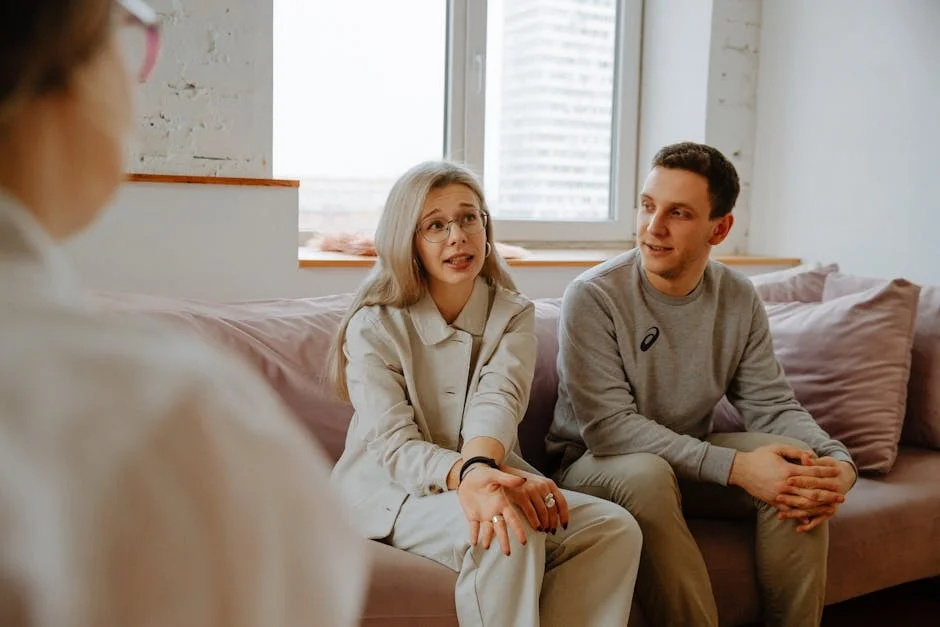
We involve family members throughout treatment to strengthen support networks and improve outcomes. Family education and therapy help loved ones understand addiction and contribute to long-term healing.

Gender-Specific Residential Programs

Men and women live and participate in gender-specific homes, with programming led by clinicians who understand the unique challenges each group faces. This approach fosters safety, comfort, and more effective healing.

Strong Alumni and Aftercare Support

Graduates continue to receive guidance through alumni programs, support groups, and telehealth check-ins. Continued involvement with family members and community resources reinforces long-term sobriety.

Benefits of Our Benzo Addiction Treatment Program

People recovering from benzodiazepine addiction often have one or more co-occurring conditions impacting their physical or psychological wellness. Our tailored care plans make it easy to adjust treatment as needed to accommodate changes in recovery as people begin to heal and process the underlying causes of addiction.

Individualized Treatment Plans

We use tailored care plans to provide personalized services and support to each client. Everyone has different needs, preferences, and triggers. We use the admissions assessments and interviews to ensure an accurate diagnosis and create an appropriate treatment plan.

Behavioral Health Therapy

We utilize various evidence-based behavioral therapies to help people recovering from SUD and co-occurring conditions. Clinicians use cognitive-behavioral therapy (CBT), dialectical behavior therapy (DBT), motivational interviewing (MI), and other modalities to provide clients with the tools they need to process their situation, manage their condition, and build skills for lasting sobriety. Clients participate in individual and group therapy sessions throughout the week during inpatient or outpatient treatment. 

Support Groups

We encourage clients to take advantage of support groups and community-based recovery resources. Our programs use 12-Step immersion and facilitation to prepare people for aftercare by making support groups an everyday part of the recovery journey.

Aftercare Planning

New Found Life uses aftercare planning to prepare clients and their loved ones for the realities of ongoing recovery. We collaborate closely with clients to create detailed plans for overcoming common challenges people face during aftercare. Clinicians also offer referrals, tools for managing SUD, and information about local private or community-based resources.

psychoeducation

Relapse Prevention

A central part of the rehabilitation curriculum includes relapse prevention education and planning. We use psychoeducation, therapy, and other tools to identify potential relapse triggers and address them. Relapse prevention ensures people know how to recognize the warning signs of physical relapse and how to react to avoid falling back into unwanted behaviors.

Clinicians tailor relapse prevention planning and education to the specific needs and issues facing each individual in treatment. Everyone has different triggers and factors that impact their recovery. We take all of them into consideration during relapse and aftercare planning.

Levels of Care for Benzo Addiction

Benzodiazepine addiction can cause severe withdrawal side effects depending on how long a person took the drug, at what dose, and the presence of any co-occurring conditions. Treatment generally involves multiple levels of care to reduce the risk of relapse and minimize the risk of dangerous health complications during withdrawal.

New Found Life refers clients to medical detox programs to help stabilize them physically before they transfer to one of our levels of care. We have residential, intensive outpatient, outpatient, and sober living programs for people seeking help overcoming benzodiazepine addiction. Our care team creates personalized care plans that include appropriate levels of care to support a gradual step-down process.

Residential Care

Inpatient programs are the highest level of care for people in addiction recovery treatment. New Found Life offers residential programs with a low client-to-staff ratio. Our small program size allows us to tailor services and provide more comprehensive treatment. Most people start in our residential program before stepping down to lower levels of care.

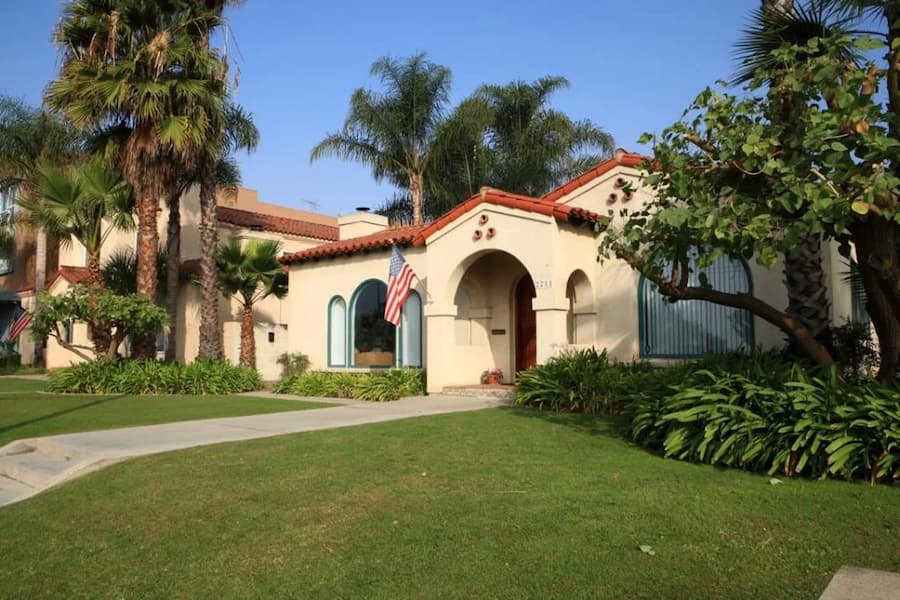
Our Long Beach rehab center offers people a structured and secure space where they can build new patterns of thought and behavior that support lasting sobriety. The sober community also offers unique opportunities for peer engagement and personal growth.

PHP

We do not offer partial hospitalization (PHP) on-site. People who require additional support and do not qualify for inpatient care often benefit from participating in PHP. The programs offer more clinical hours per week compared to intensive outpatient services.

We provide referrals to PHP facilities in and around Southern California. The admissions team and case managers make it easy for clients to transition into outside programs and then return to New Found Life. People benefit from working with the same team throughout their continuum of care. We maintain treatment consistency and quality by providing guidance for people who may need outside resources to heal fully.

IOP

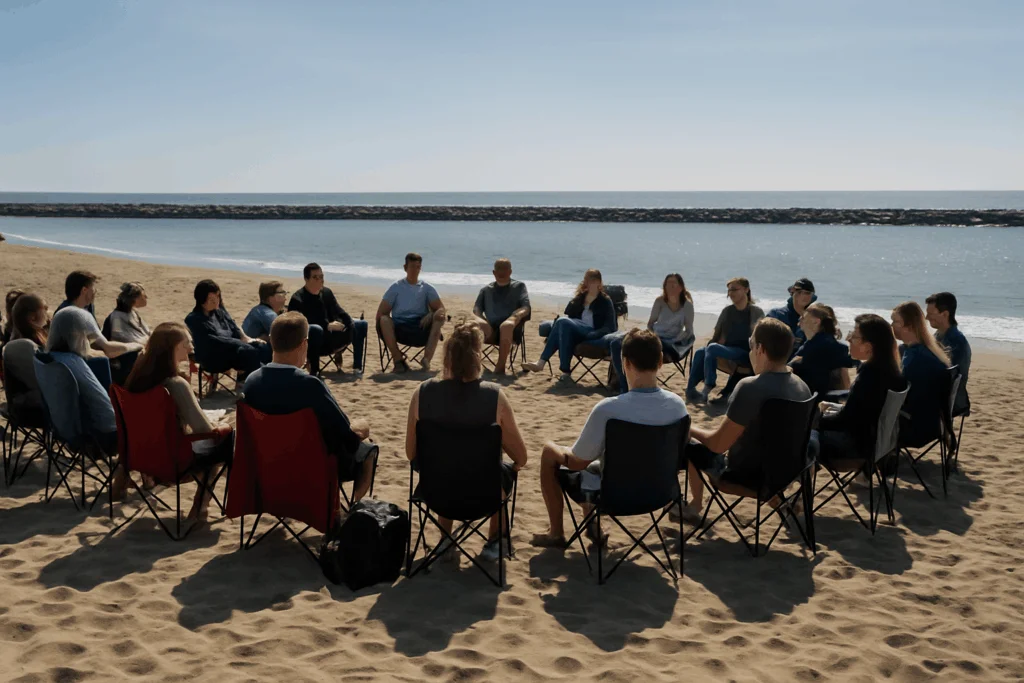
Intensive outpatient programs keep people in therapeutic appointments throughout the week where they gain insights, knowledge, skills, and tools to support lasting recovery. People may spend 15 to 20 hours a week in individual and group therapy, support groups, family therapy, and engaging in other forms of treatment. IOP does allow people to maintain home, work, and school responsibilities. Clients attend treatment during weekdays and return home at night and on weekends.

Outpatient Treatment

A step below IOP is outpatient care where people attend group and individual therapy at significantly lower rates throughout the week. Some people may only attend therapy for a few hours a week, and the rest of their time they must maintain sobriety independently. We encourage clients to use community-based resources like 12-Step groups during outpatient care to enhance the effectiveness of the program.

Outpatient programs prepare clients for long-term recovery by increasing independence while still providing a safe space and solid support network. Clients practice the coping skills they learn during therapy in real-world situations.

Sober Living

New Found Life has transitional living options for people who may need additional time before returning home. Each house has private areas where people can sleep and enjoy time alone. Clients share the upkeep and cleaning of public areas to encourage healthy lifestyle choices.

Some people with families choose to stay in sober living communities until they feel fully confident in their ability to avoid falling back into unwanted or unsafe behaviors. The controlled, drug-free environment gives people a supportive space to continue healing. We encourage people in transitional living to use 12-Step groups, mentorships, community engagement, and other forms of peer support to prepare for ongoing recovery.

Treating Co-Occurring Disorders

Co-occurring conditions can impact recovery from substance abuse by causing chronic stress, physical discomfort, emotional distress, decreased energy, and reduced focus. Addressing co-occurring conditions with dual diagnosis treatment allows clients to successfully focus their attention and time on healing from the damage caused by chronic substance use. Some of the most common co-occurring disorders we treat alongside SUD include panic or anxiety disorders, mood disorders, personality disorders, and chronic pain.

People with one or more co-occurring disorders benefit from the support groups, peer engagement, family therapy, and evidence-based treatment we use. Clinicians diagnose any active disorders and treat them all simultaneously using personalized care plans and an interactive approach. Individuals with more complex co-occurring conditions receive greater support during the transition to aftercare and may benefit from temporarily utilizing sober living options.

When Tolerance Becomes Substance Use Disorder

Benzodiazepines are among the most commonly prescribed medications, and they can lead to dependence and addiction even if people use them only as prescribed. Many people also abuse illegally obtained benzodiazepines to self-medicate or achieve certain effects. Frequent use of benzodiazepines at high doses increases the risk of a person developing tolerance, dependence, and SUD.

Signs of Physical Dependence

People who use benzodiazepines as prescribed may still develop a physical dependence, making it essential for people to know the warning signs. Some common signs of potential dependence or addiction include withdrawal symptoms like insomnia and other sleep disturbances, drowsiness, unusual irritability, muscle spasms and pain, lethargy, confusion, memory problems, and difficulty focusing.

Professional medical treatment provides the safest way to detox and recover from benzodiazepine addiction or dependence. New Found Life provides referrals to local medical detox programs where people receive high-quality care to manage withdrawal symptoms and stabilize their condition before participating in our rehabilitation programs.

Dangerous Risks and Withdrawal Symptoms

Drug and alcohol withdrawal can cause dangerous withdrawal symptoms for people with one or more forms of SUD. Common symptoms and side effects include respiratory depression, impaired coordination, dizziness, seizures, confusion, and panic attacks or anxiety. Individuals with co-occurring anxiety disorders or other mental health issues may have more severe withdrawal symptoms. A medical team and professional detox program reduce the risk of complications and help people manage symptoms. We offer referrals to trusted programs that provide medical detox services.

Seeking Addiction Treatment Services

We help families and individuals heal from the effects of addiction and dual diagnosis. Our clinical team prepares people for lasting recovery. New Found Life offers hope, space for personal growth, and a community to support long-term sobriety.

FAQs

Some of the most common benzodiazepines include Xanax (Alprazolam), Valium (Diazepam), Klonopin (Clonazepam), and Ativan (Lorazepam). All of these drugs require medical detoxification to ensure safe withdrawal. New Found Life does not offer medical detox on-site. We do provide referrals to local programs that offer medical supervision, detoxification, and withdrawal management.

No. Benzodiazepines are not opioids and have a completely different effect on the mind and body. They come from different classes of drugs and have very different uses. Benzodiazepines are sedatives that target the neurotransmitter GABA. Opioids are painkillers that bind to opioid receptors in the brain.

Some people may have co-occurring opioid and benzodiazepine substance use disorders requiring simultaneous treatment. Our clinical team has experience treating multiple forms of SUD.

Treatment generally lasts between 90 and 120 days, with the length of stay depending on the unique needs of each client. New Found Life personalizes every treatment plan to ensure people receive appropriate treatment as they move through our continuum of care. Clinicians monitor recovery progress and make changes to treatment plans, including length of stay, to accommodate changes in client needs as they heal.