
Huntington Beach Addiction Treatment and Drug Rehab

New Found Life helps adults 18 and older struggling with substance use disorder (SUD) and mental health issues. Our rehab facility, located in Orange County, near Huntington Beach, offers multiple levels of care, including residential and outpatient programs.

We treat adults seeking a reputable drug rehab in Huntington Beach, CA. Our gender-specific addiction treatment centers offer a continuum of care, with most clients staying an average of 2 to 3 months. The low ratio of licensed clinicians and alumni staff to clients allows us to personalize care, creating a small program that feels easy to join and encourages community engagement.
We treat SUD, dual diagnosis, and mental health disorders through comprehensive residential treatment, intensive outpatient (IOP), and outpatient treatment programs. After completing treatment, alumni have access to continuing support, including mentorship and volunteer opportunities. Alumni play an important role in our program.
The calm, ocean-adjacent setting of our drug and alcohol rehab in Southern California provides clients with a beautiful and comfortable environment for healing. Our home-like, gender-specific, apartment-style residential living creates a community-driven atmosphere with shared meals and a daily structure that fosters a sense of belonging and fellowship. The close proximity to Huntington Beach, Orange County, and nearby recovery communities ensures clients have access to local support resources.

New Found Life emphasizes sustained progress through structured, evidence-based care. Clients gain practical life skills and coping strategies to support lasting addiction recovery.
We involve family members throughout treatment to strengthen support networks and improve outcomes. Family education and therapy help loved ones understand addiction and contribute to long-term healing.
Clients fully engage with the 12-Step program alongside trauma-informed clinical therapy. This combination promotes accountability, personal growth, and long-term success in recovery.
Graduates continue to receive guidance through alumni programs, support groups, and telehealth check-ins. Continued involvement with family members and community resources reinforces long-term sobriety.
Every client receives a tailored plan that meets their emotional, mental, and physical needs. Plans are adjusted regularly to reflect progress and ensure measurable results.
Men and women live and participate in gender-specific homes, with programming led by clinicians who understand the unique challenges each group faces. This approach fosters safety, comfort, and more effective healing.
New Found Life combines clinical care with a 12-Step approach that builds confidence, independence, and skills for long-term recovery.
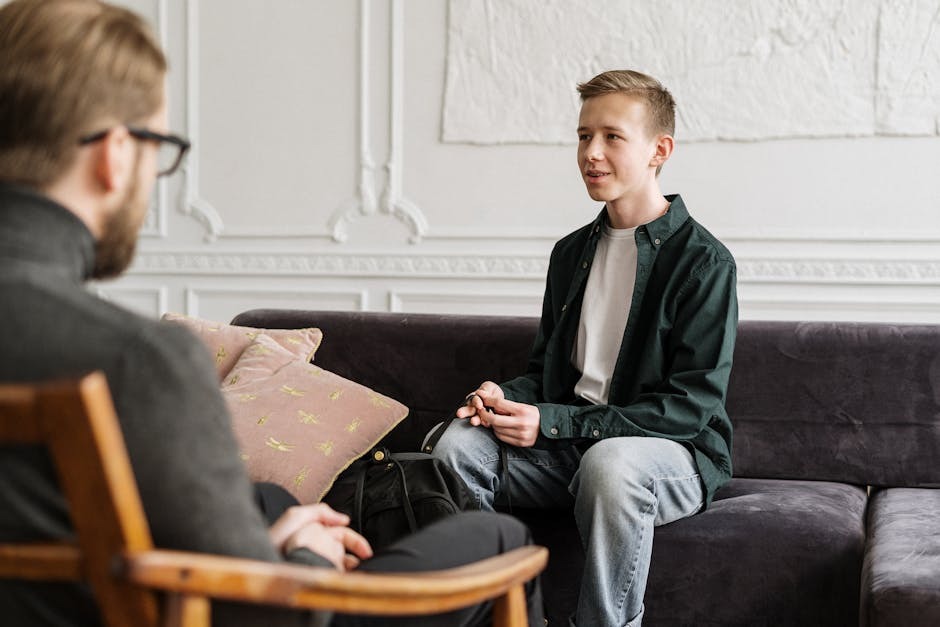
We treat dual diagnosis, trauma, and co-occurring mental health disorders with peer support, clinical modalities, and holistic therapies. Some of the conditions we treat include generalized anxiety disorder (GAD), major depressive disorder (MDD) and other forms of depression, post-traumatic stress disorder (PTSD), bipolar disorder (BD), and attention-deficit/hyperactivity disorder (ADHD). Our clinicians address co-occurring conditions using talk therapy, support groups, and family therapy.
The evidence-based and wellness practices we use to treat SUD and dual diagnosis include:
Our integrative approach encourages spiritual growth and healing.

We prepare clients for a successful future by teaching basic life skills that foster resilience and independence. Clients in our residential and outpatient programs learn the essentials of cooking, cleaning, financial responsibility, and healthy relationship-building. Our goal is for clients to have all the skills they need to live a fulfilling, sober life after treatment.
The community connection we provide allows people to engage with others who have shared experiences. Peer accountability and structured daily routines also create accountability within social connections, improving program adherence.

Our program schedules use rhythm, repetition, and purpose-driven learning opportunities to help people recover from the damage caused by addiction. Clients avoid potentially harmful “idle time” by engaging in supportive and proactive recovery activities.
Early mornings are a time for reflection, meditation, and mindfulness. Clients use the time before breakfast to focus on goal-setting and step work. The quiet preparation keeps people calm and centered as they begin their day.
Clients spend their afternoons building essential life skills through behavioral health work. Inpatient and outpatient programs offer group therapy and individual sessions to help clients learn how to regulate their emotions, build healthy relationships, and manage their condition.
Evening hours provide time for reflection and peer connection. We have 12-Step meetings where clients and alumni can uplift one another and provide mutual support.
Our rehabilitation center has weekend outings and recovery-based activities for clients, alumni, and their families. We also offer family therapy and other support services to complement the weekly therapy sessions.
Addiction treatment programs include multiple levels of care from detox facilitation to ongoing recovery support during aftercare. We do not provide on-site detoxification at our facility; however, we coordinate medical detox and referrals to nearby rehab centers that offer these services.

Our residential treatment program offers a structured, immersive environment with 24/7 support and monitoring. Clients requiring a higher level of care benefit from the full daily schedule, basic life skills development, and continuous access to expert medical and mental health care.
We offer outpatient treatment that provides ongoing therapeutic and support services during the transition to aftercare. Our outpatient program offers greater scheduling flexibility and fewer therapy hours than IOP, allowing clients to return to school, work, or home responsibilities as they continue their recovery journey.
Clients in our intensive outpatient treatment experience flexible care with continued security, structure, and accountability. IOP uses weekly group therapy and individual therapy sessions, 12-Step meetings, and community activities to support healing. We encourage family members to play an active role in IOP and outpatient programs, ensuring clients have access to a safe and drug-free living environment.
Our long-term and extended care services encourage continued personal growth after structured treatment. Alumni can use these support services to overcome challenges in early recovery and integrate into the sober community.
We do not offer detoxification treatment. Our clinical connect clients with trusted detox programs in the local area.

New Found Life treats a wide range of substance use disorders, trauma, and co-occurring mental health disorders.
Some of the types of SUD we treat include alcohol addiction, fentanyl, methamphetamine, opioid use, and prescription drugs. We have the resources to address multiple co-occurring forms of SUD (e.g., marijuana abuse alongside alcohol addiction). Our programs treat SUD with evidence-based, holistic therapies.
Clients may have multiple co-occurring substance abuse and mental health conditions that we treat together using integrative care. Dual diagnosis treatment addresses all active conditions to reduce the risk of relapse and improve overall well-being during recovery.
We treat a wide range of co-occurring mental health conditions, including anxiety, depression, trauma, bipolar disorder (BD), post-traumatic stress disorder (PTSD), schizophrenia, and personality disorders. Our clinicians use comprehensive assessments to accurately diagnose mental health issues and evidence-based therapies to manage them during rehabilitation.
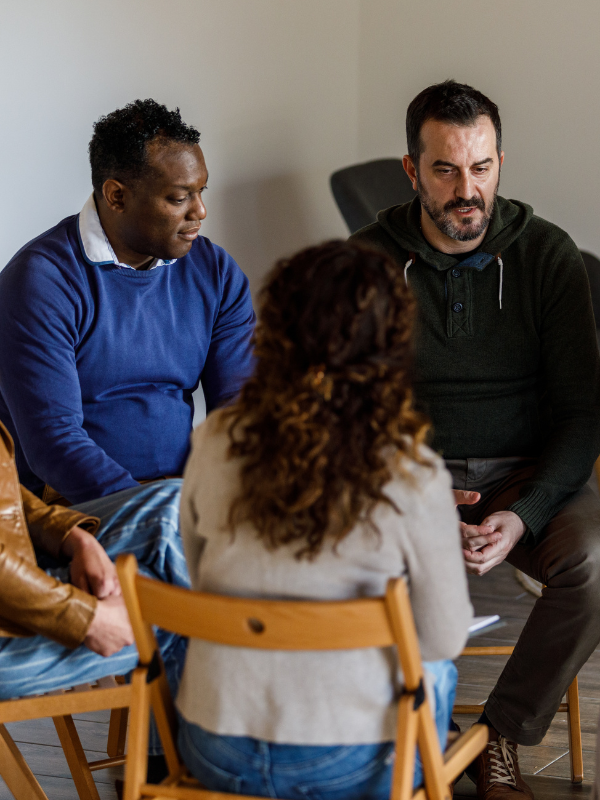
If you are concerned that a loved one may have an addiction or mental health disorder, we can help. Early intervention and professional treatment reduce the risk of your loved one experiencing the lasting effects of substance abuse.
You should seek help for your friend or family member if they struggle with the following:
.New Found Life gives hope to families by providing intervention assistance, psychoeducation, comprehensive addiction and mental health treatment, and continued support.
Our alumni have access to services that support long-term sobriety and help people overcome challenges in ongoing recovery, including volunteer and mentorship opportunities, community events, and educational resources.

Families of our alumni can take advantage of our weekly groups, educational workshops, and long-term community involvement opportunities. Family engagement in ongoing recovery helps alumni reintegrate more smoothly into the community and reduces the risk of relapse.
New Found Life has weekly alumni meetings and regular phone check-ins to ensure alumni and their families maintain progress in recovery. The continued connection allows alumni to play a pivotal role in our sober community while providing them with additional accountability and guidance.
Clients have the opportunity to volunteer and build professional skills during rehabilitation and aftercare. We provide job search assistance and help clients pursue careers or education that give them a sense of purpose.
Our clinical team supports long-term recovery and uses services like medication-assisted treatment to help clients regain control of their lives. Clinicians tailor MAT services to each client’s unique needs to support their recovery. We do not offer long-term Suboxone maintenance.
Our rehab center is a safe, structured, and supportive setting that prioritizes community-based healing. We help people by focusing on providing clients with a sense of belonging and purpose. Our proximity to the ocean and calm surroundings promote relaxation and foster hope for a happier future.
No. Our facility is located in nearby Long Beach, CA. The convenient location and quick commute make it ideal for residents of Huntington Beach, San Diego, Los Angeles, Fountain Valley, and other nearby cities.
No. We do not offer detoxification services on-site at our drug addiction recovery center. However, we do provide referrals to local treatment facilities that offer medical detox, where clients can get stabilized before starting outpatient, IOP, partial hospitalization (PHP), or residential care programs.
Most people attend residential treatment for 2 to 3 months. Our drug and alcohol treatment experts address the unique needs of each client and can extend program stays as needed.
We accept many popular insurance plans. You can reach out to our intake specialists to verify our current list of insurance providers. We also offer payment plans for those who choose private pay.
Our rehab center is accredited by The Joint Commission and offers a full range of treatment options, including residential, outpatient, sober living, and alumni support services. We use a personalized treatment plan for each client, integrating evidence-based and alternative holistic therapies to prepare them for lasting sobriety.
Yes! We encourage family members to participate in their loved one’s recovery journey at our accredited treatment center. Our programs use family therapy, psychoeducation, and other support services to help families play a more active role in the rehabilitation process.
Our clinicians collaborate closely with clients to create a detailed aftercare plan to smooth the transition from structured care to ongoing recovery. Some people benefit from our sober living homes, where they continue to receive support in a safe environment while reintegrating into the community. We tailor our aftercare planning, alumni support, and treatment services to meet each client’s individual needs, reducing the risk of relapse.
We offer short-term medication-assisted treatment (MAT) when necessary to stabilize clients. However, we do not provide Suboxone maintenance or long-term MAT services. Clients can get referrals to outside support if needed.